
What Is Libido? Why It Changes and How to Support a Healthy Sex Drive

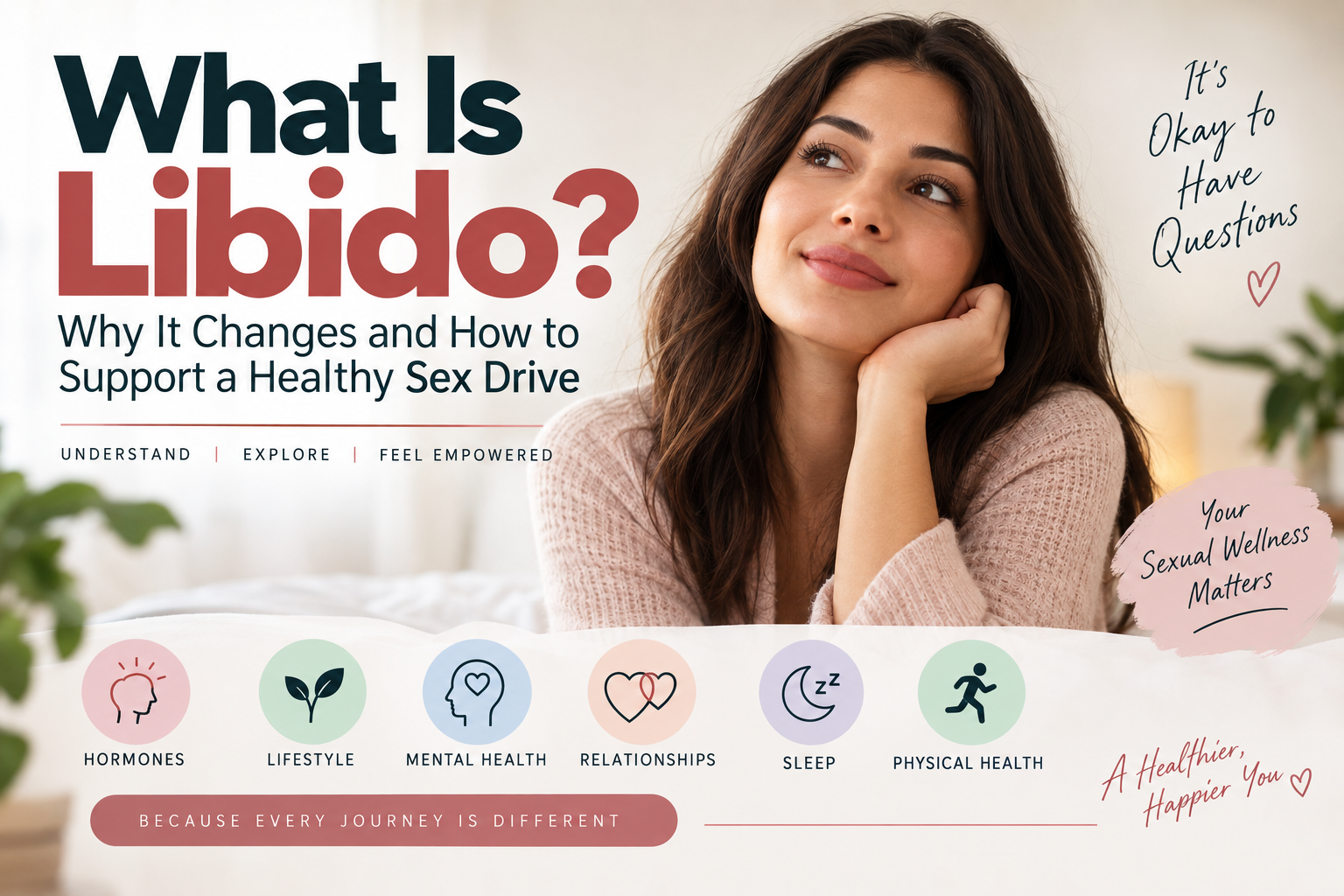
What Is Libido?
So, what is libido? Simply — it’s your sexual desire. Your interest in sex. Could mean wanting closeness with someone, thinking about sex, feeling attracted to a person, or just wanting to be touched.
Here’s the thing though: libido isn’t fixed. It moves. Age, relationships, stress, sleep, hormones, medicines, physical health, whatever’s going on in your life right now — all of it pushes libido around. People have been studying this from psychological and biological angles for over a century, and still, no fixed number.
So there’s no “correct” level of desire everyone’s supposed to hit.
Feels different from how it used to? That doesn’t mean something’s wrong with you.
Is Libido the Same as Sexual Arousal?
Not quite.
Desire is mental — the interest, the motivation. Arousal is physical — the body’s response to stimulation.
They overlap. Often. Not always.
You can want to be close to your partner and not feel an immediate physical response. Or feel physically aroused without really wanting sex right then. Both happen. Both are normal.
Knowing the difference takes some pressure off. Desire doesn’t have to show up the same way every time.
What Is a Normal Libido?
There’s no magic number here.
Some people think about sex constantly. Others barely do. Both fine — as long as it feels okay to the person living it.
Libido also drifts through life. Busy stretch at work, becoming a parent, relationship shifts, illness, menopause, medicines, bad sleep — any of it moves the needle.
Better question than “is my libido normal”? Try this one instead: “has my libido changed in a way that actually bothers me?”
That distinction matters. Lower desire isn’t automatically a medical issue just because it’s lower than someone else’s.
What Causes Low Libido?
Rarely just one thing. Usually a few things stacked on top of each other.
Stress and Mental Fatigue
Head full of deadlines, bills, family stuff, general worry? Sex slides down the list fast.
Long-term stress chips away at mood, energy, sleep, your ability to actually relax. All of it feeds into desire.
Lack of Sleep
Hard to feel enthusiastic about anything when you’re running on fumes.
Not enough sleep drags down energy and mood. A packed schedule leaves no room — mental or physical — for closeness.
Fixing sleep won’t solve everything. But it’s a reasonable place to start.
Hormonal Changes
Hormones matter, sure. Just not the whole story.
Women might notice shifts around pregnancy, after childbirth, perimenopause, menopause. Men see changes too — tied to testosterone, age, certain conditions.
This is part of why ongoing libido changes are worth a conversation with a healthcare professional, rather than just “it’s age, what can you do.”
Medications
Some medicines mess with desire or function.
Antidepressants, certain blood-pressure medicines, hormonal treatments — sexual side effects show up for some people.
Noticed a big change after starting something new? Don’t just stop taking it yourself. Talk to your doctor or pharmacist first.
Relationship Problems
Desire doesn’t live in a bubble, separate from how you’re feeling about someone.
Arguments. Poor communication. Resentment that’s built up. Feeling disconnected. All of it can flatten interest in intimacy.
Flip side — feeling safe, comfortable, appreciated, close? Intimacy tends to come easier.
Physical or Mental Health
Depression, anxiety, diabetes, thyroid issues, chronic pain, heart problems — all of it can touch libido.
Pain during sex creates its own trap — you start avoiding it because you expect it to hurt.
Low desire showing up with other symptoms? Worth figuring out what’s actually driving it.
Libido in Women and Men
Shows up in both, though the reasons often look different.
For women: hormone shifts, pregnancy, postpartum, menopause, vaginal dryness, stress, medicines, relationship factors.
For men: stress, depression, relationship strain, certain medicines, health conditions, testosterone changes.
And there’s just a lot of individual variation, too. Same age, same gender, completely different sex drives — and that’s fine.
If lifestyle tips for male sexual wellbeing are more your interest, our guide to Natural Ways to Boost Libido and Stamina for Men covers exercise, sleep, nutrition, and daily habits worth trying.
Can Libido Change With Age?
Yes.
Desire shifts through life stages, and age alone isn’t really the driver. Hormones, medicines, health, stress, relationships, lifestyle — all playing a part too.
Drops for some people as they get older. Stays strong for others well into later life.
No cutoff age where you’re supposed to stop wanting intimacy. Doesn’t exist.
How Can You Support a Healthy Libido Naturally?
No single food, workout, or supplement fixes this for everyone. Better to zoom out.
Prioritize Sleep
Fairly consistent schedule. Real time to actually recover.
Stay Active
Movement supports heart health, energy, mood. All feeding into a healthier sex life.
Manage Stress
Find whatever genuinely switches your brain off — walk, workout, hobby, meditation, book, just stepping away from work.
Eat a Balanced Diet
Good nutrition supports overall health. Not an instant libido switch. Variety’s the goal — vegetables, fruit, whole grains, healthy fats, enough protein.
Make Time for Intimacy
Long workdays leave zero room for connection. Relaxed, no-pressure time together helps rebuild closeness.
Talk About Sexual Concerns
Communication does more than people expect. Tell your partner when you’re stressed, tired, uncomfortable, or just not feeling it.
Looking into products marketed for women’s sexual wellness specifically? Our guide to the best libido supplements for women available online in the UAE covers common ingredients and what’s worth thinking about before buying.
Do Libido Supplements Work?
Plenty out there marketed as libido boosters.
Maca, ginseng, L-arginine, other herbal extracts — some contain these. But products vary hugely. Ingredients, formulation, evidence, purpose — all over the place.
A supplement isn’t a guaranteed fix for low desire. Worth remembering that.
Considering a female sexual wellness product? Spanish Gold Fly Drops for Women in UAE is one option Near Pharmacy currently lists — marketed around female libido, arousal, sensitivity, and intimate comfort.
Point is: know what a product claims. Keep that separate, in your head, from an actual established medical treatment.
Why You Shouldn’t Feel “Broken” Because of Low Libido
Biggest myth about sex drive? That a temporary dip means something’s broken.
It doesn’t.
Your libido reacts to your life. Stressful month, bad sleep, new medicine, hormone shifts, relationship tension, a big life event — any of it changes how interested you feel.
Even desire itself doesn’t always show up first. Some people feel it only after closeness has already started, not before.
Your sex drive doesn’t need to match anyone else’s. Genuinely doesn’t.
When Should You Speak to a Doctor?
A change in libido isn’t an emergency by itself. But ongoing, or upsetting you? Worth attention.
Talk to a healthcare professional if:
- Your sex drive suddenly changes, no obvious reason.
- Low desire’s dragged on a long time.
- It’s genuinely bothering you.
- Sex has become painful.
- Ongoing vaginal dryness.
- You suspect a medicine’s behind it.
- Other symptoms too — fatigue, mood changes.
- It’s affecting your relationship or quality of life.
A professional can help figure out whether it’s medicine, hormones, mental health, physical health, or something else entirely.
Frequently Asked Questions About Libido
What is libido?
Your sexual desire — interest in sexual activity. Varies naturally between people, changes throughout life.
What causes low libido?
Stress, poor sleep, relationship difficulties, hormonal changes, medicines, mental health, physical conditions — usually a mix, not just one thing.
Is it normal for libido to change?
Yes. Not fixed — moves with your health, hormones, relationships, stress, sleep, lifestyle.
Is libido the same as arousal?
No. Desire’s your interest or motivation. Arousal’s the physical response to stimulation.
Can stress reduce sexual desire?
Yes. Ongoing stress hits mood, energy, sleep, relaxation — all of which feed desire.
Can women have low libido?
Yes — plenty of reasons. Hormonal changes, stress, medicines, relationship factors, physical or emotional health.
Can men have low libido?
Yes. Stress, mental health, medicines, health conditions, hormone changes, or relationship issues can all lower it.
What is a healthy libido?
No set frequency or level defines it. What matters: does your desire feel comfortable to you, and is any change causing distress?
Final Thoughts
So — what is libido? Sexual desire. But way more flexible than that one word makes it sound.
Shifts with sleep, stress, hormones, relationships, medicines, health, whatever stage of life you’re in. A temporary dip doesn’t mean broken.
The goal isn’t forcing a particular level of desire. It’s noticing changes, taking care of yourself overall, talking openly, and getting advice when something ongoing is genuinely bothering you.
For more , the Wikipedia article on libido digs into the term’s history and psychological context.